
Journalists have been challenged to move beyond reporting from conference rooms, and instead go into communities to tell human-centred stories that show how climate change is affecting people’s health and livelihoods.
Speaking during a MESHA Science Media Café on Climate Change and Health, Amref Health Africa’s Climate Change and Health Advocacy Lead, Friday Phiri, challenged journalists to focus on the experiences of ordinary people rather than limiting their coverage to policy discussions and official events.
“You are the fourth estate; we want to see stories of community projects or something happening in the community that government may not be aware of. Once you highlight it, government will move in and help further,” he said.
Phiri said journalists have a critical role in amplifying African expertise, innovation and the voices of people on the frontline of climate change. He noted that many African governments are investing heavily in climate action and that these efforts deserve greater visibility.
“Amplify African expertise, innovation and frontline voices. Africa has been investing so much money. Most governments in Africa spend between 9 and 15 per cent of their GDP towards climate action,” he said.
He also challenged journalists to pursue investigative stories, particularly on climate financing, to establish whether funds meant for vulnerable communities are reaching the intended beneficiaries.
“You hear of monies that a country has gotten for project A or programme B. How much of this money is getting to the vulnerable communities, the people for whom this money has been allocated? Track government commitment through implementation. Explain evidence clearly and challenge misinformation,” he said.
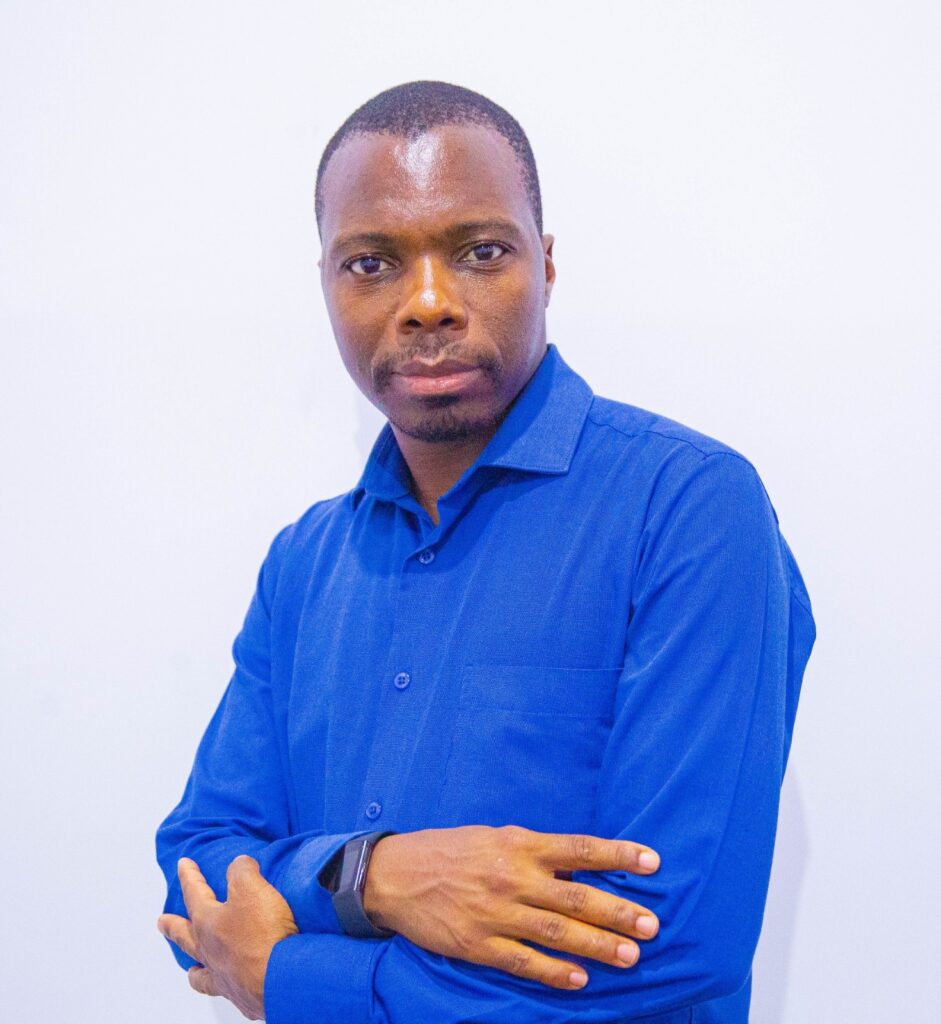
Factual reporting
With misinformation spreading rapidly through digital platforms, Phiri urged journalists to verify information before publishing. He said credible and evidence-based reporting is now more important than ever.
To help bridge the evidence gap, Phiri said AMREF has established a Climate and Health Research Centre at the AMREF International University in Nairobi. The centre aims to generate scientific evidence that journalists, policymakers and advocates can rely on when reporting or making decisions on climate and health.
“Many times when we say there is an increase in malaria because of rising temperatures caused by climate change, someone will ask, where is the evidence?’ We are trying to close that evidence gap so that journalists and those in the policy and advocacy sectors can easily access reliable information,” he said.
He urged journalists to place health and human dignity at the centre of Africa’s climate narrative.
“Many times when we say there is an increase in malaria because of rising temperatures caused by climate change, someone will ask, where is the evidence?’ We are trying to close that evidence gap so that journalists and those in the policy and advocacy sectors can easily access reliable information,” -phiri.
Mongabay editor Lynet Otieno echoed the call, encouraging both aspiring and experienced journalists to broaden their perspective by exploring the links between climate change, health, business and other sectors instead of reporting just as a single story.
Otieno explained that climate stories should go beyond reporting floods or droughts and examine their wider social and economic impacts.
“If you go to a village to cover a climate change story, you’re not just looking at floods or drought and how they have affected people. You will also find health, hunger and many other issues reflected in the Sustainable Development Goals. One story can capture health, business and climate change without you struggling. That is how you broaden your perspective,” she said.
She encouraged journalists, especially those still in universities or starting their careers, to embrace climate reporting by telling stories that reflect local realities.
Otieno also urged reporters to localize global climate discussions by focusing on issues unique to their countries.
“Localize your stories; although many countries face similar climate challenges, the details are unique because not all countries are equal in terms of economic strength,” Otieno said.
This story first appeared in Sayansi Magazine ©MESHA Features
By Ruth Keah|rkeahkadide@gmail.com

